

Biafra Genocide
Item specifics
Item description from the seller
The Biafran War remains one of Africa’s most devastating post-independence conflicts. Over nearly four years, roughly a million people—mostly civilians and many children—perished, shattering the belief that Nigeria was immune to the continent’s tribal and sectarian strife. The war, Africa’s most expansive ethnic conflagration aside from the Great Lakes conflicts, drew international involvement, with Britain and the Soviet Union backing opposing sides. Religious and ethnic divisions deepened, many of which persist today. The conflict also exposed systemic weaknesses in Africa’s most populous nation: endemic corruption, political disunity, and institutional incompetence became painfully visible. Following Biafra’s collapse, two brutal army coups ensued, accompanied by massacres, primarily targeting southern Christians by northern Muslim forces.
The war’s legacy of instability, violence, and unresolved social cleavages continues to shape Nigeria’s political and social landscape, half a century on, underscoring the enduring consequences of one of Africa’s earliest modern civil wars. This study situates the Biafran War within broader African and global contexts, examining how ethnic, religious, and political fault lines combined with international intervention to produce a humanitarian catastrophe whose echoes are still felt today. It offers a concise yet comprehensive analysis of the conflict’s causes, course, and enduring impact, illuminating the persistent fragility of post-colonial states in managing diversity, governance, and security.
Related books

Pyongyang On The Brink


Talking Classics


Oyinbo Came to Africa

In Biafra Africa Died

Little Republic: Legendary African Musicians

The Nigerian Military
Seller feedback (0)
No feedback yet. Be the first to review!
Frequently Bought Together
No frequently bought products found!
Products from this Seller
View All
Princess Dianas Fasion Collection 1985
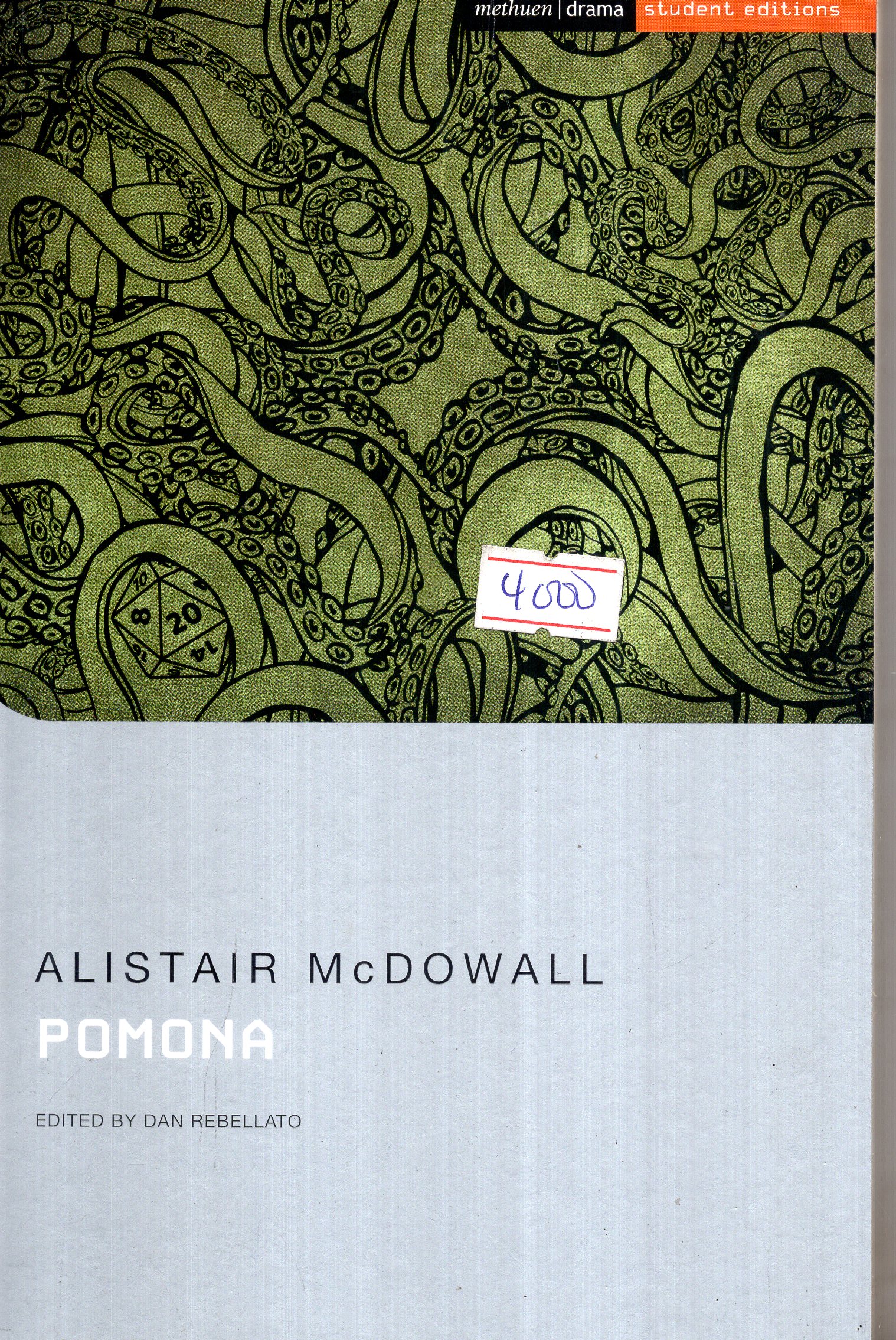
Pomona
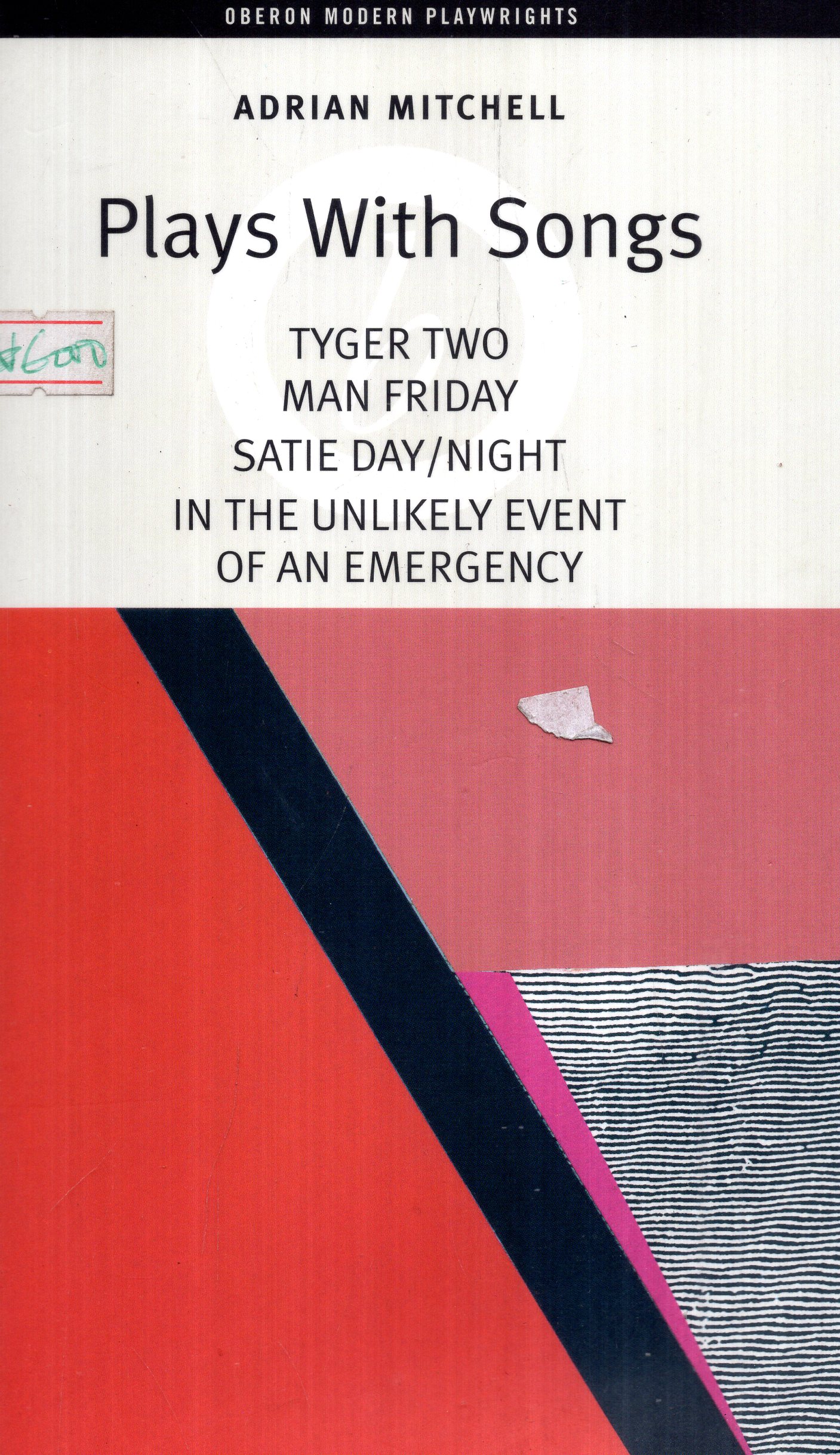
Plays With Songs
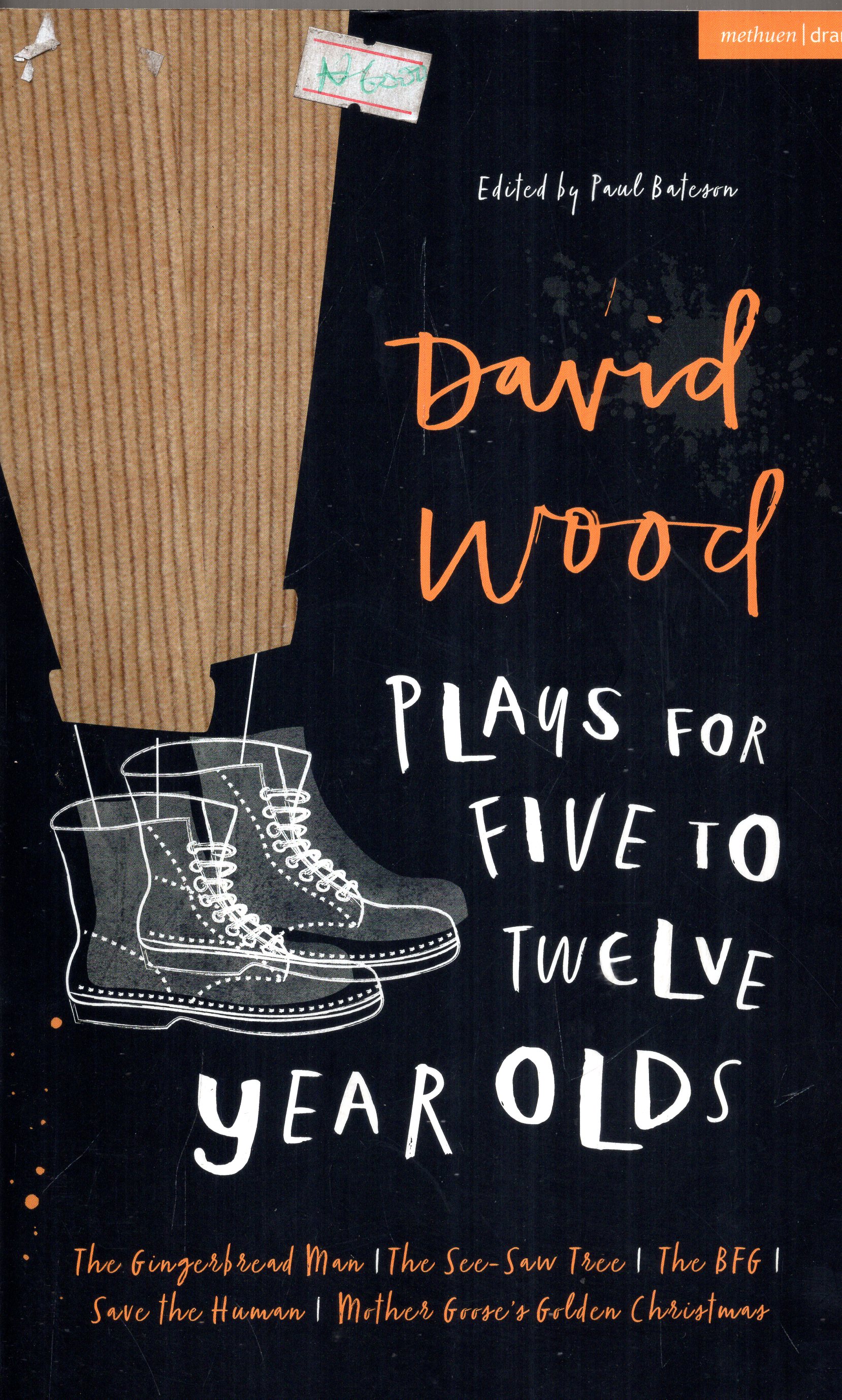
Plans For Five To Twelve Year Olds
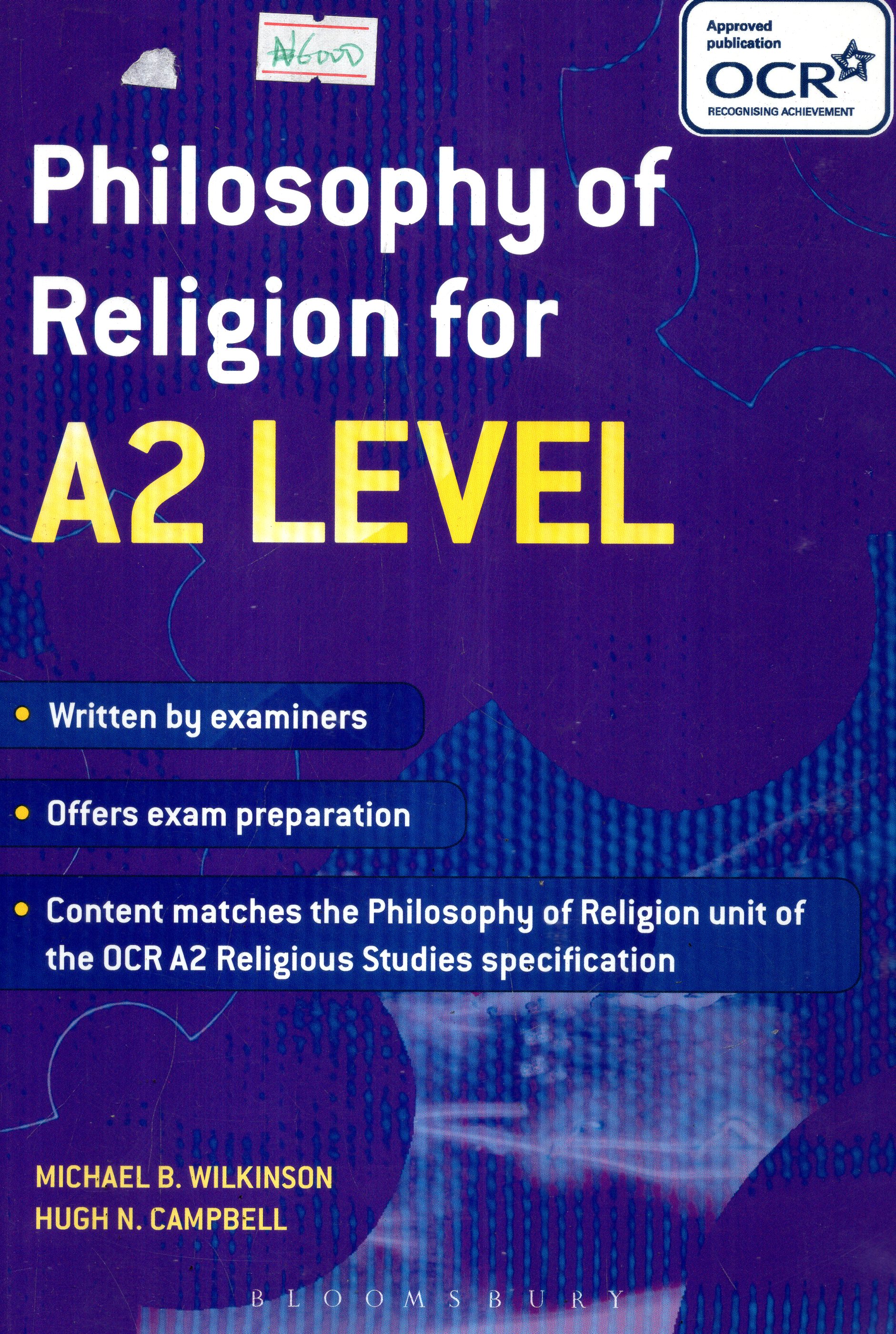
Philosophy Of Religion For A2 level
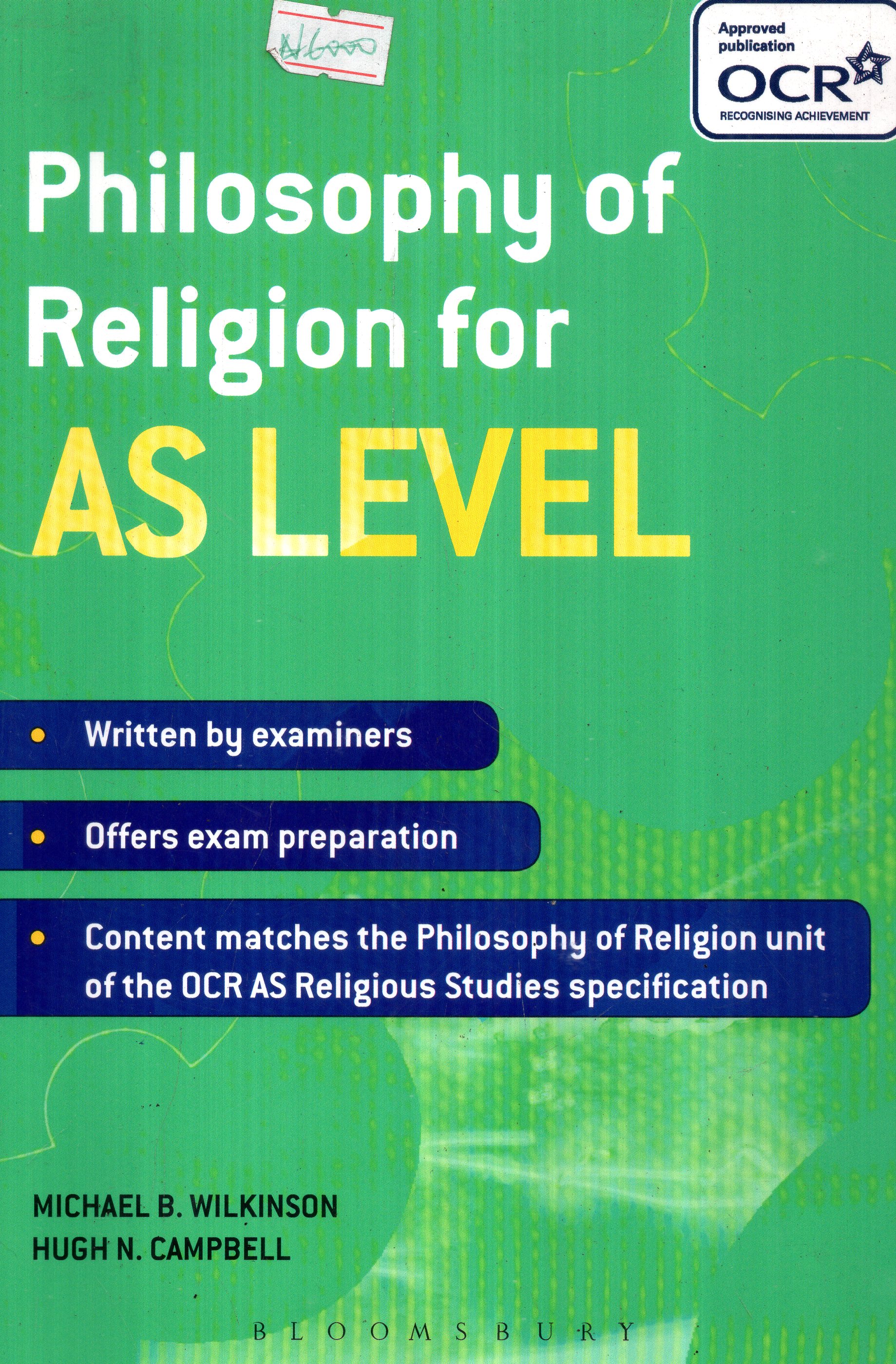
Philosophy Of Religion For AS Level
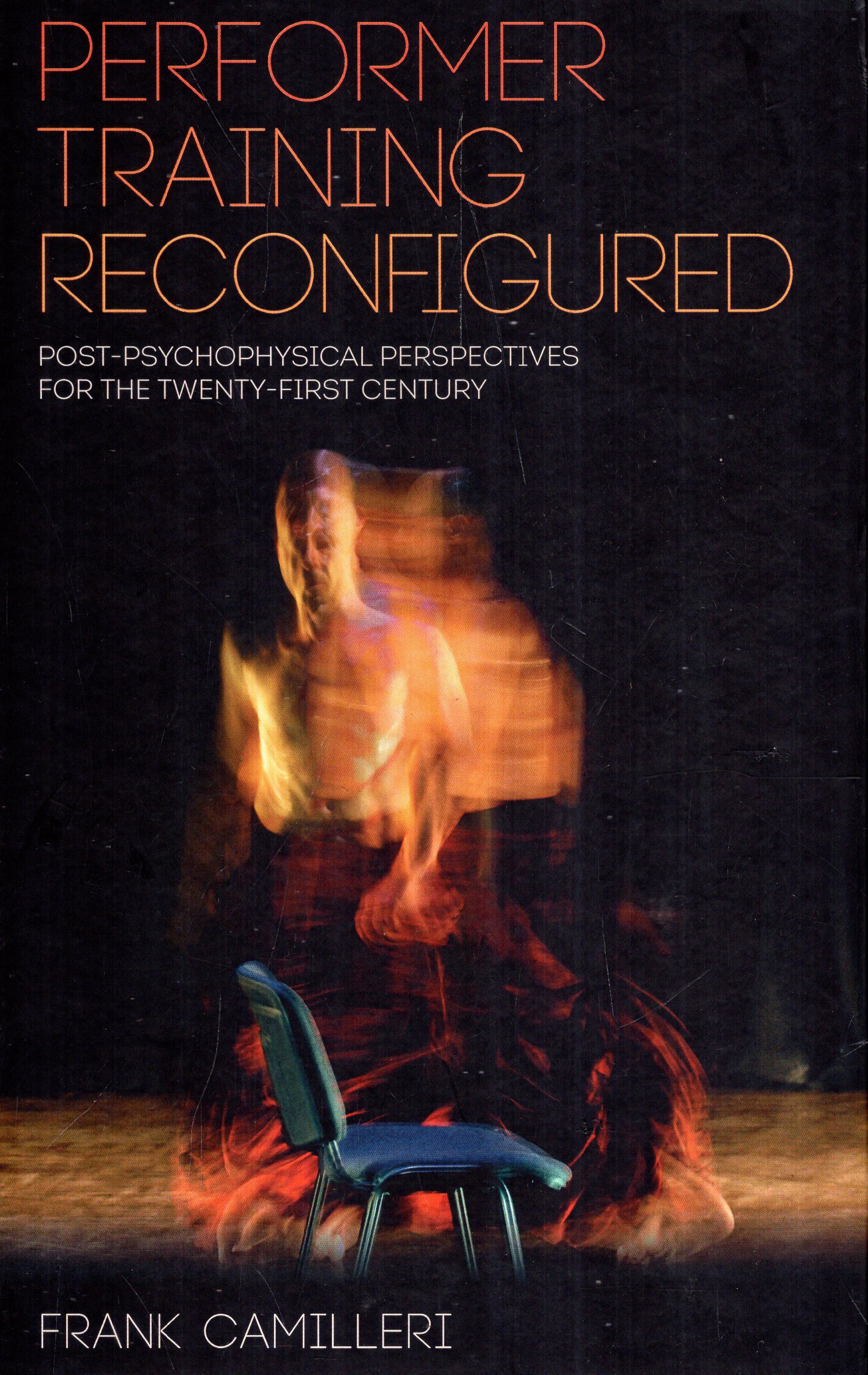
Performer Training Reconfigured
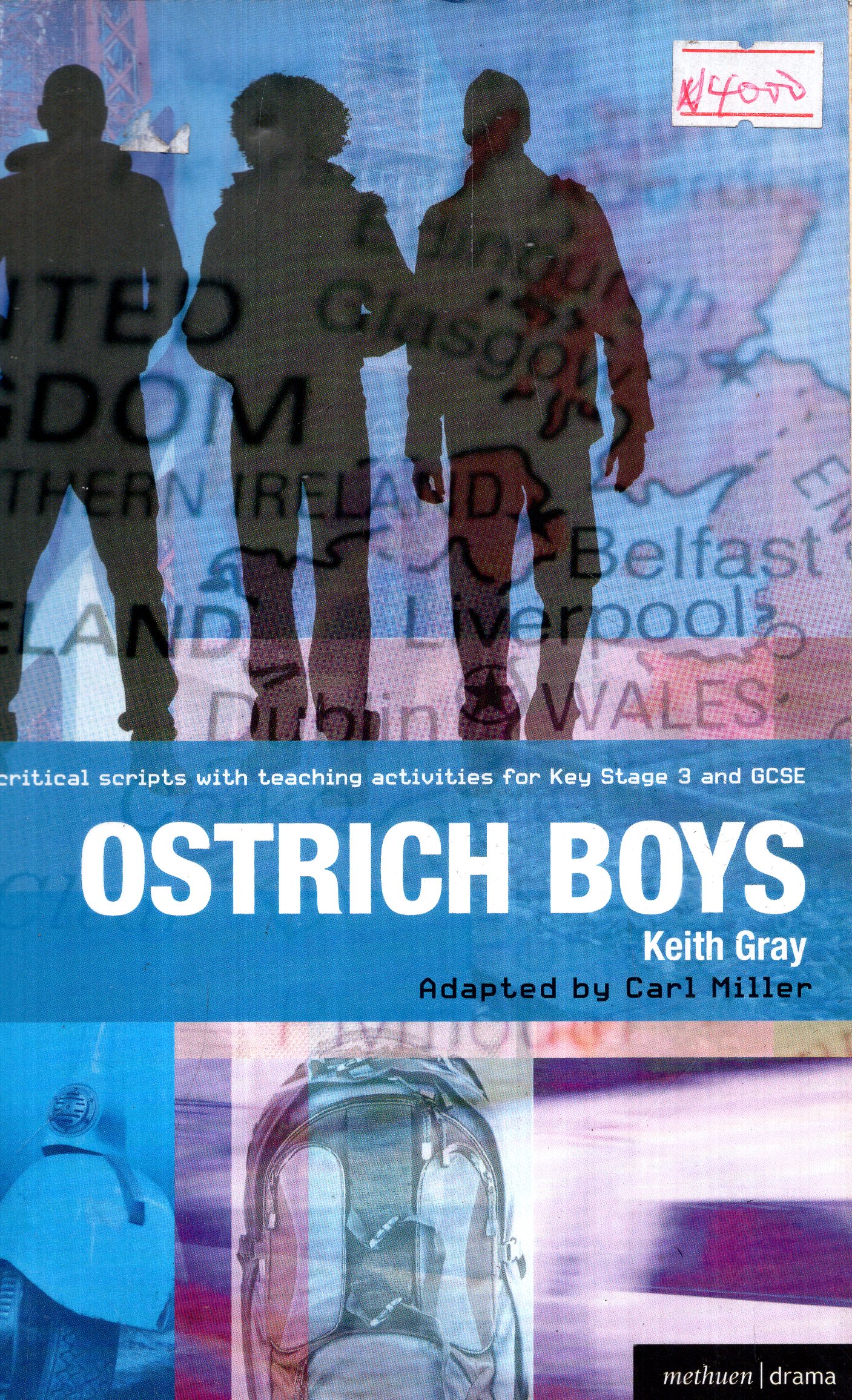
Ostrich Boys
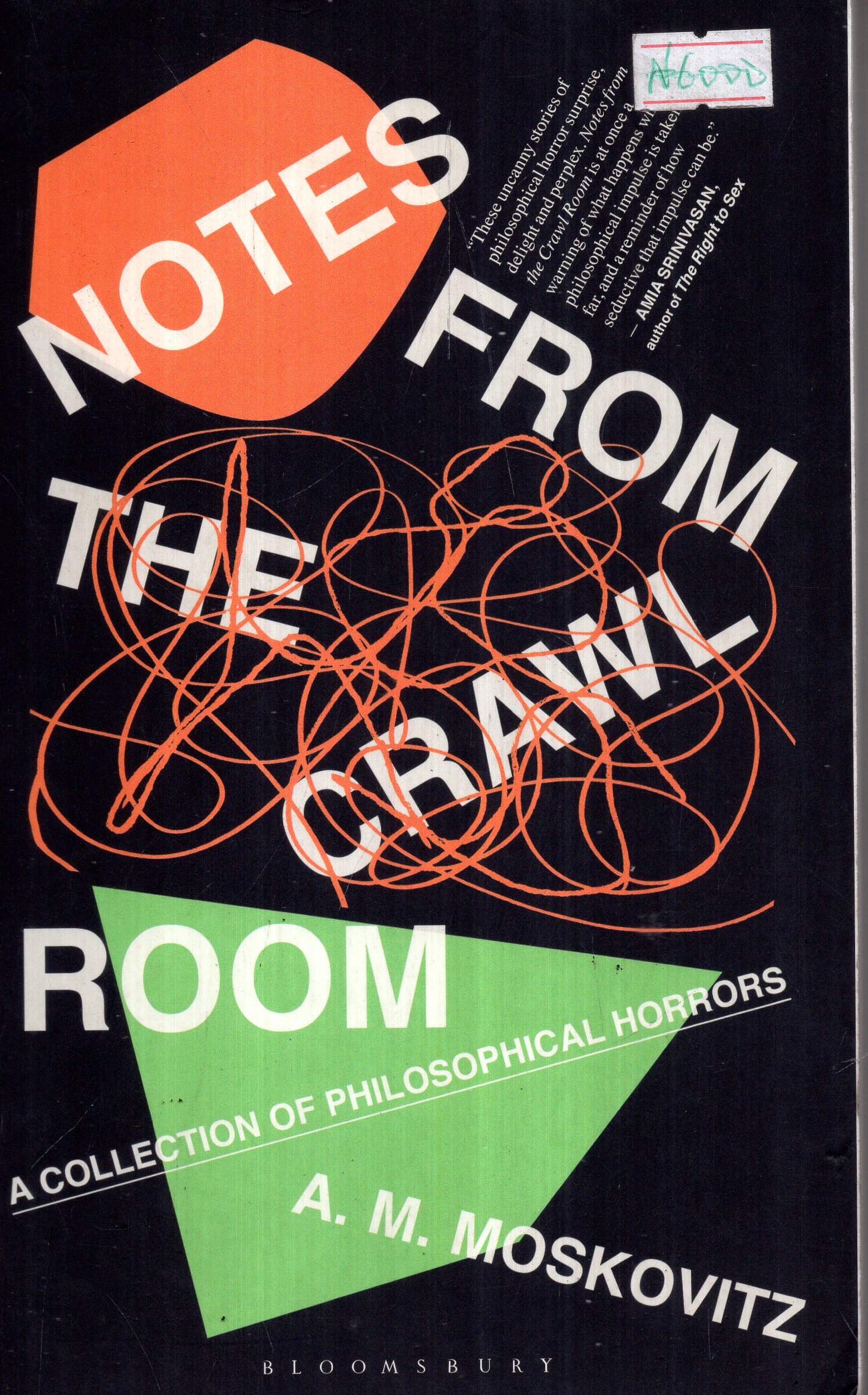
Notes From The Orawl Room

Not The Worst Place
NNorman Bel Geddes
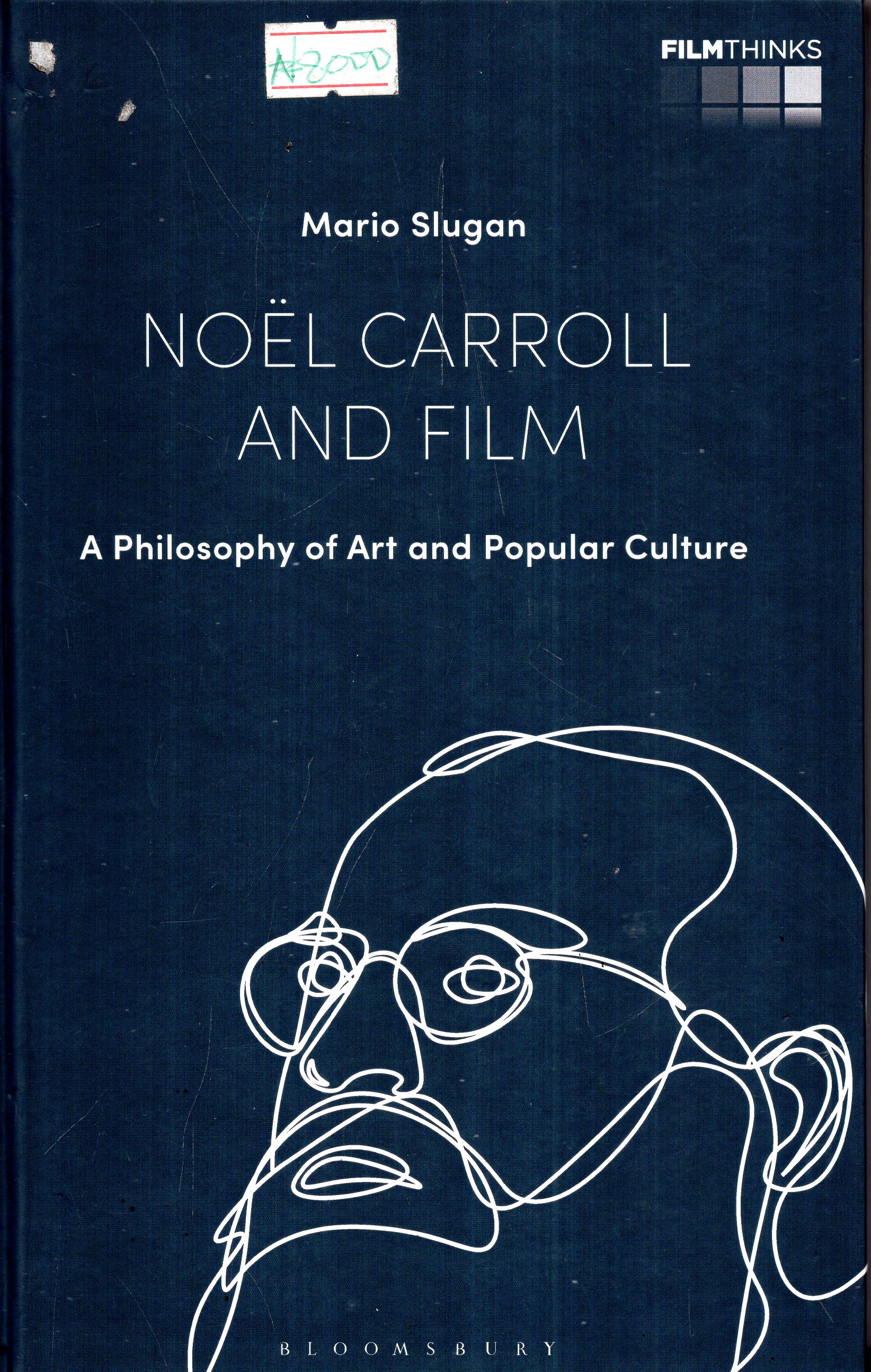
Noel Carroll And Film
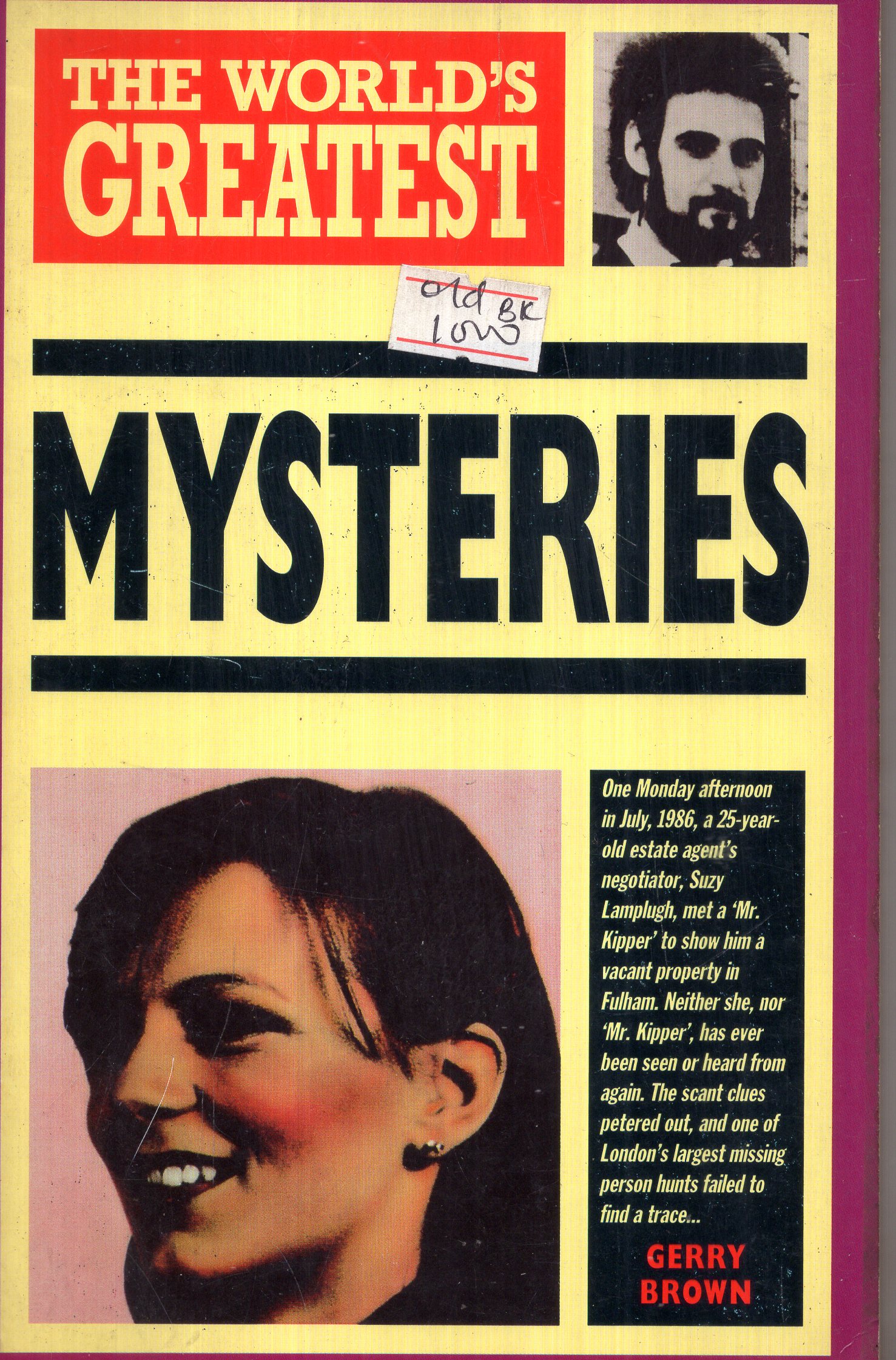
Mysteries
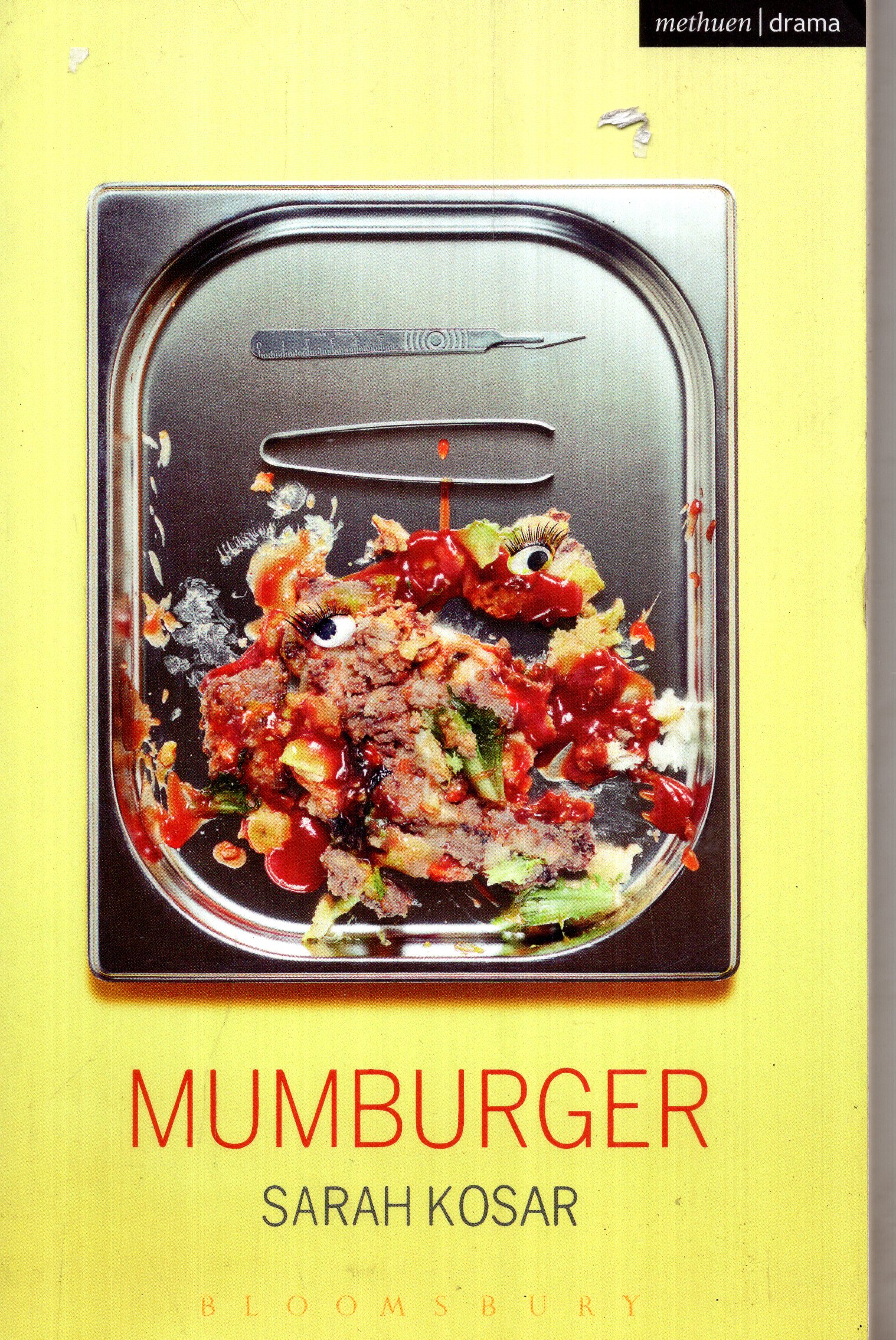
Mumburger
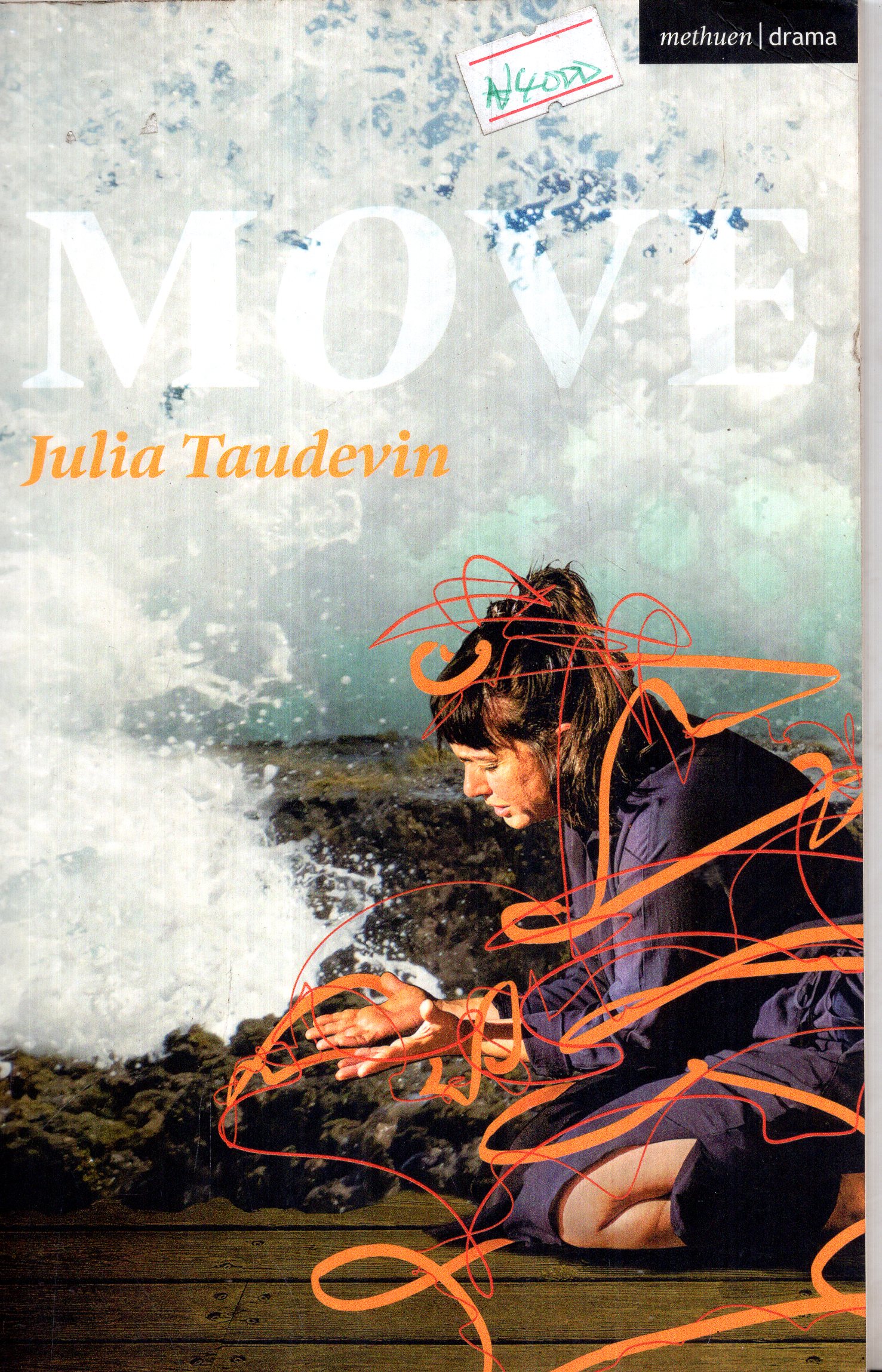
Move
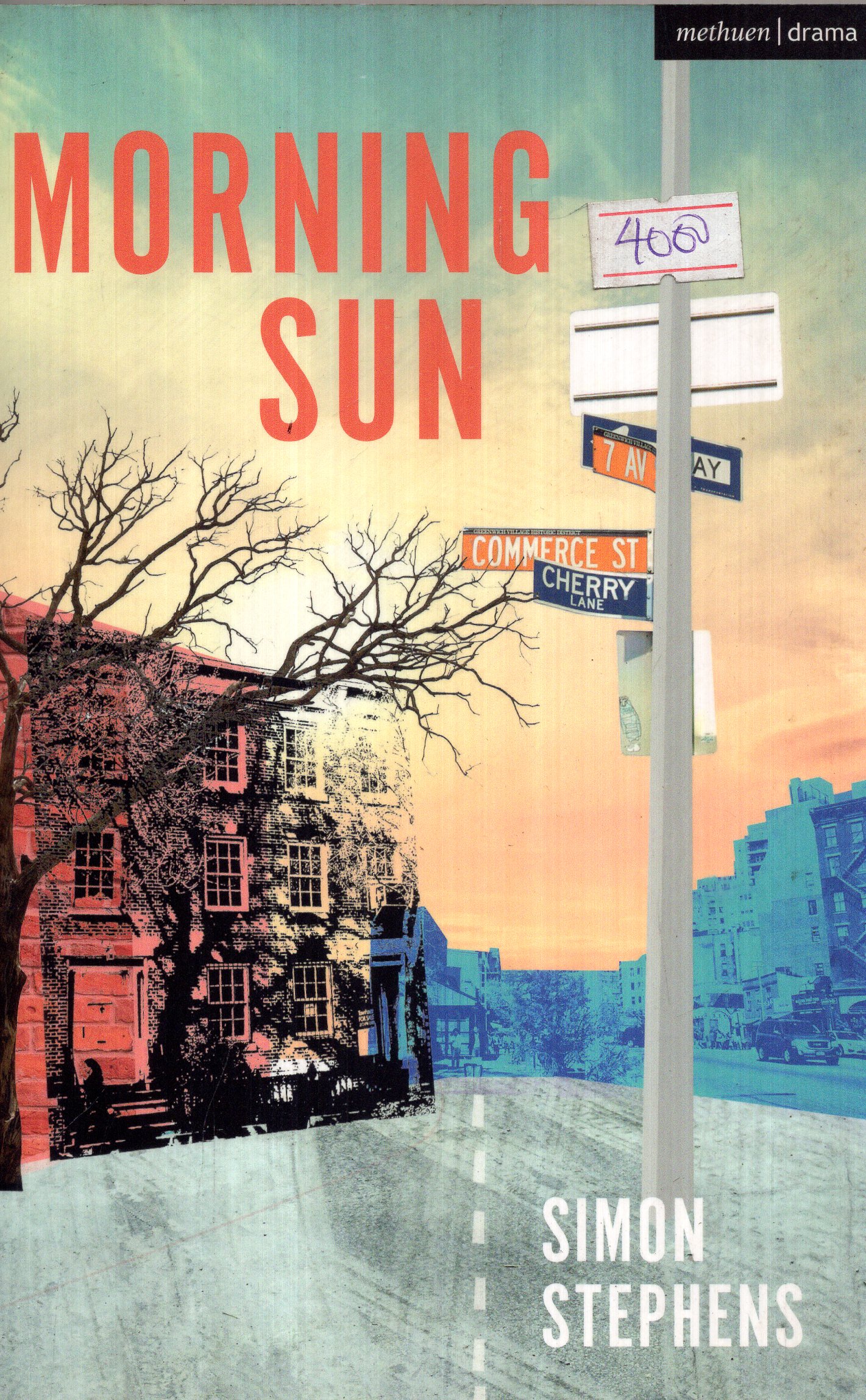
morning sun
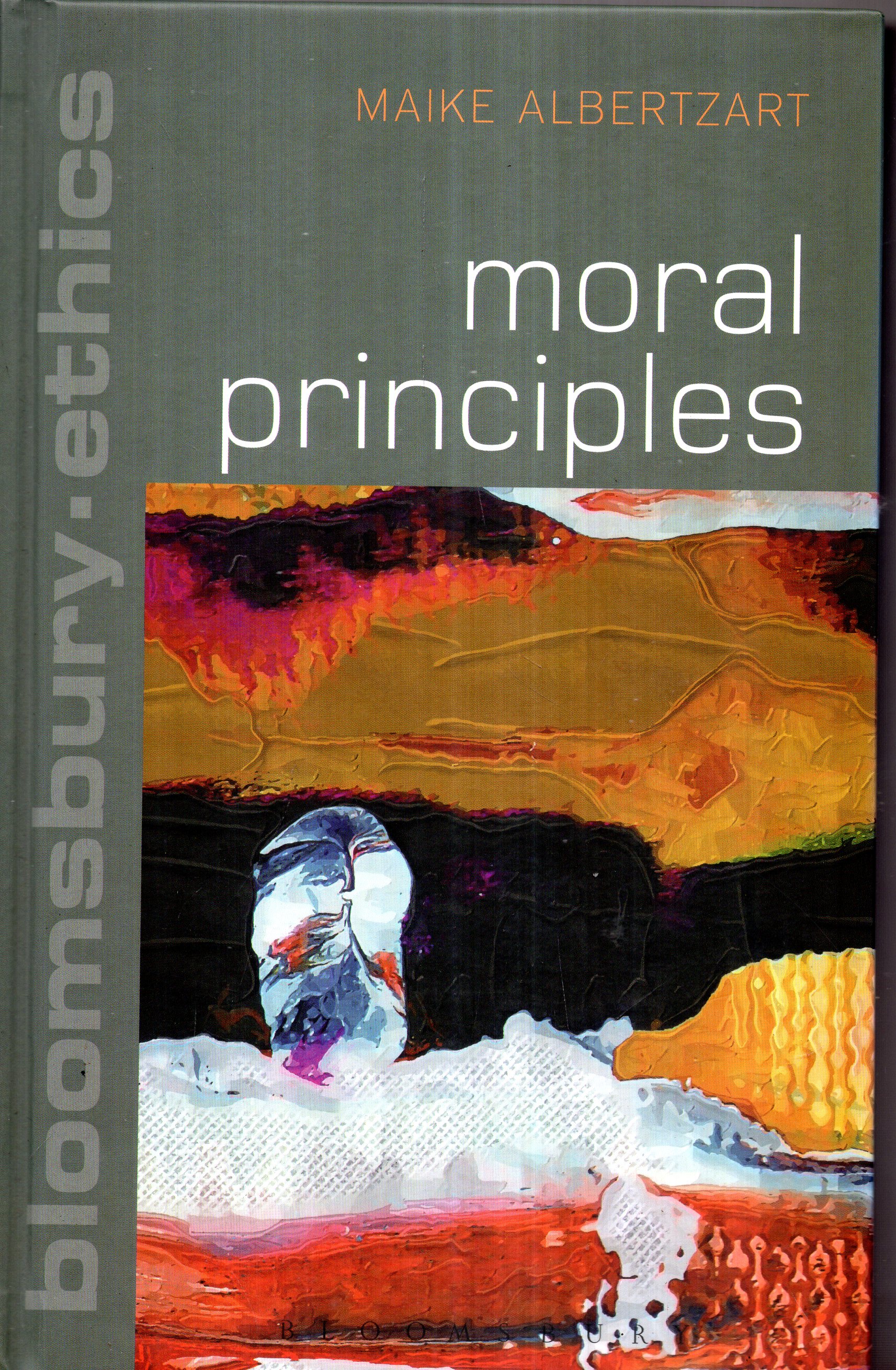
Moral Principles
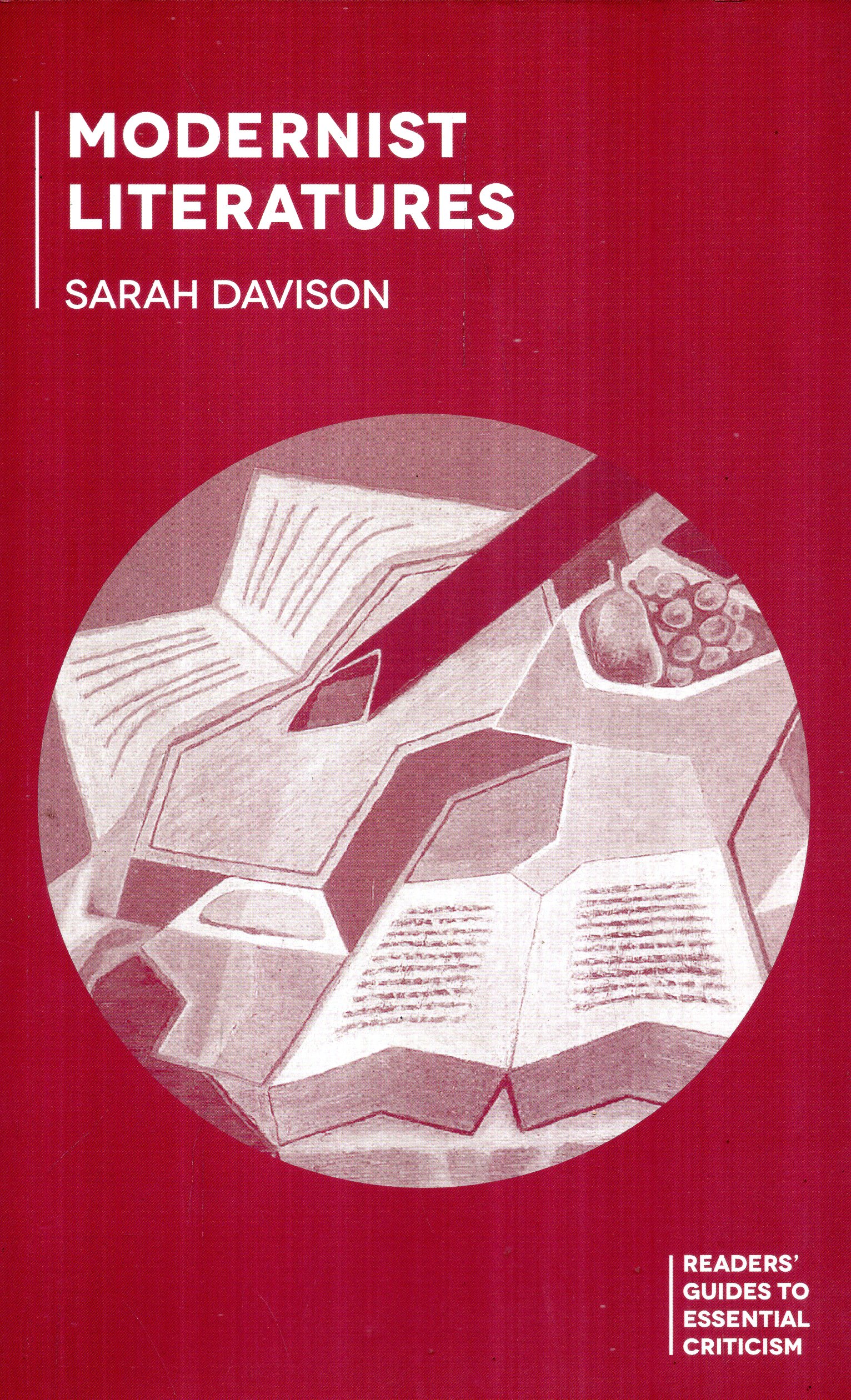
Modernitist Literatures
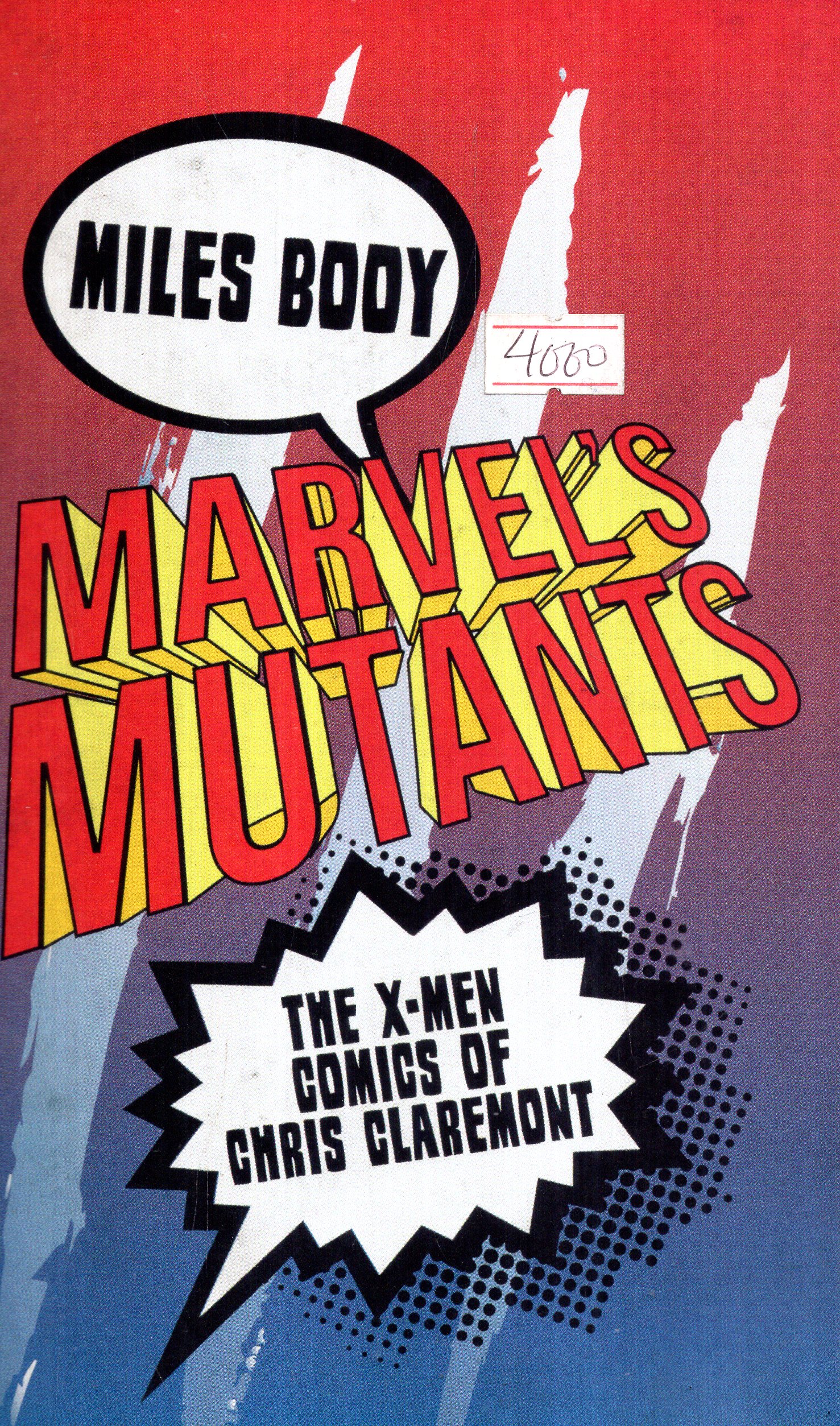
Marvel's Mutants


Share with Friends
Trading is more effective when you share products with friends!Share you link
Share to